
France
Secrets and flavors of the country!
Discover a multitude of unusual destinations and local dishes to share.
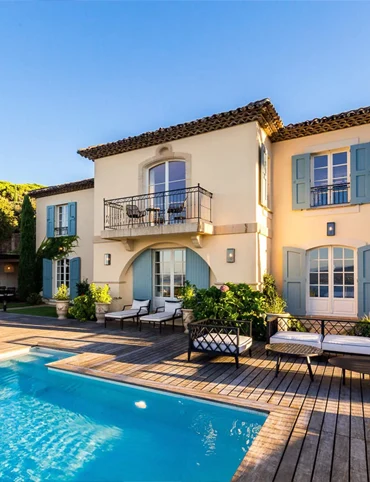
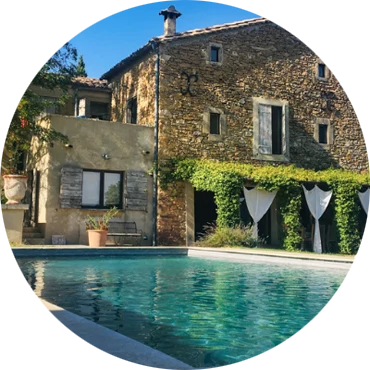

Luxury and serenity in exceptional villas
Discover and enjoy the beauty and tranquility of our villas, while enjoying optimal amenities and top-quality service. A stay of relaxation and comfort awaits every visitor in our top-of-the-range residences. In the midst of a privileged environment, where nature blossoms in all its splendor, and a protected heritage, where history and culture blend harmoniously, a singular moment is offered to you. TRAVEL PARADISE invites you to relax, recharge your batteries and reconnect with yourself in first-class villas and breathtaking scenery.

French castles

Wines and cheeses

Camping nature

Galleries & theaters
Pleasure of tourism
Guided tours and city walks in France
Discover French history and culture in a different way. Let us take you to places you wouldn’t find on your own. Guided tours and city walks are a great way to get away from it all.
Picturesque villages
Vineyard tours
Craft workshops
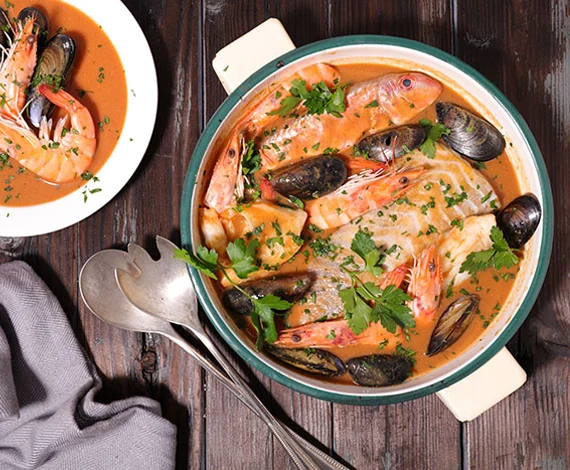
Saveurs de Provence
A sunny culinary adventure
Provençal cuisine is rich and varied. It reflects the diversity of cultures that have shaped the region over the centuries. It features sun-drenched fruits and vegetables, aromatic herbs, olive oils and quality wines.
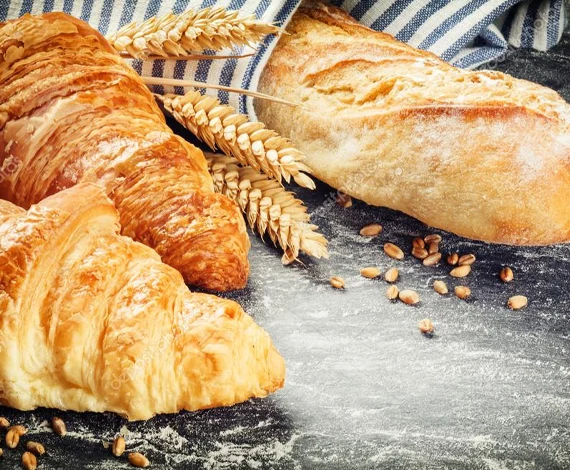
The charm of the baguette and croissant
France is renowned for its refined gastronomy, and the baguette and croissant are emblematic examples. These two pastries are essential for any tourist exploring France.
Let yourself be seduced by the tantalizing aroma of fresh bread and the incomparable taste of butter in croissants. Not only are they delicious, they are also strong symbols of French culture. They’re a great way to discover French gastronomy and immerse yourself in its warm atmosphere.
At the heart of historic moments
Must-sees during your stay
France is an emblematic destination for heritage enthusiasts. From prehistoric sites to medieval monuments, there’s something for everyone. Embark on an unforgettable journey through the most fascinating historical sites.
Louvre-Lens Museum
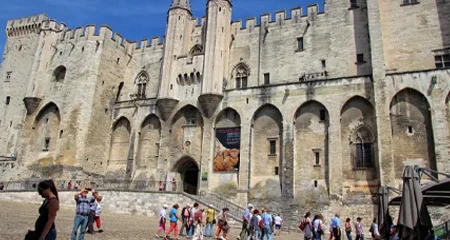
Palace of the Popes, Avignon
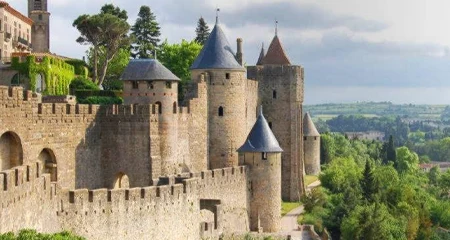
The medieval city of Carcassonne
Notre-Dame Cathedral, Reims
Attractions & Leisure
Cultural experiences to enjoy in France
Whether it’s attending a theatrical or operatic performance, taking part in a vibrant festival, or feeling the adrenaline rush of extreme sports, France offers a multitude of cultural experiences in memorable settings.
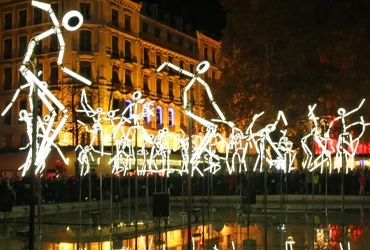
Cultural festivals, celebrations of art and culture
Every year, festivals of music, theater, dance, film, literature and much more take place throughout the metropolis, giving visitors the opportunity to discover its cultural heritage.

Mountain biking in France's magical landscapes
France’s mountains, forests and plains offer wonderful routes, from the easiest to the most challenging. Whether you’re a beginner or an experienced rider, you’ll find a terrain to suit you in France.
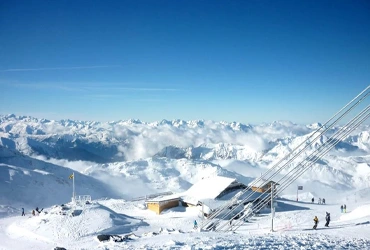
Snow-covered slopes in the French mountains
The French Alps are a paradise for skiers and snowboarders. France’s other mountain ranges, such as the Pyrenees, Vosges and Jura, also offer great skiing opportunities.