
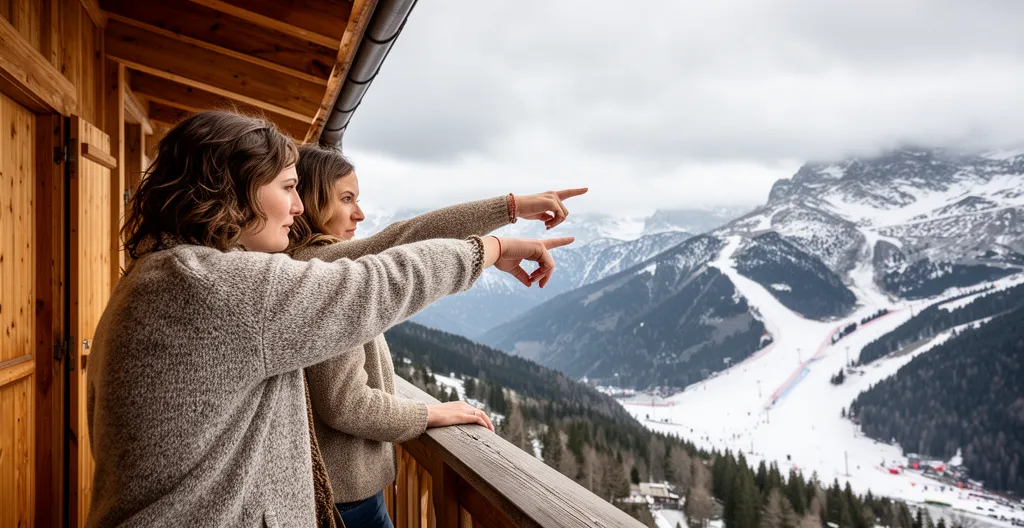
You’re standing on a terrace at 1,850 meters, watching your kids walk to ski school without crossing a road. That’s when you understand what luxury really means in Courchevel. It’s not about marble bathrooms or wine cellars. It’s about eliminating friction from your daily routine – the time saved, the hassle avoided, the seamless transitions between mountain and home. Let me show you how property choices in this Alpine station fundamentally reshape how families live, work, and play at altitude.
- Location beats square meters: A smaller ski-in/ski-out flat often delivers more daily value than a larger chalet requiring transfers
- Services define seasons: Concierge and residence amenities determine whether you arrive relaxed or spend your first day organizing
- Micro-placement matters: The difference between Jardin Alpin and Bellecôte can mean 15 minutes saved every morning
- Operating complexity varies wildly: New residences simplify maintenance while authentic chalets demand active management
What “luxury” really buys you at altitude (it’s not just finishes)
I’ve watched buyers walk through properties worth millions, and the moment of revelation rarely comes from seeing a spa or admiring woodwork. It happens when they map out their typical day. Sofia, a tech executive from London I followed during viewings, had her priorities completely reshuffled after one snowy evening arrival. The charming standalone chalet lost its appeal when she realized the “simple” 200-meter walk from the car meant hauling luggage through snow with two tired children.
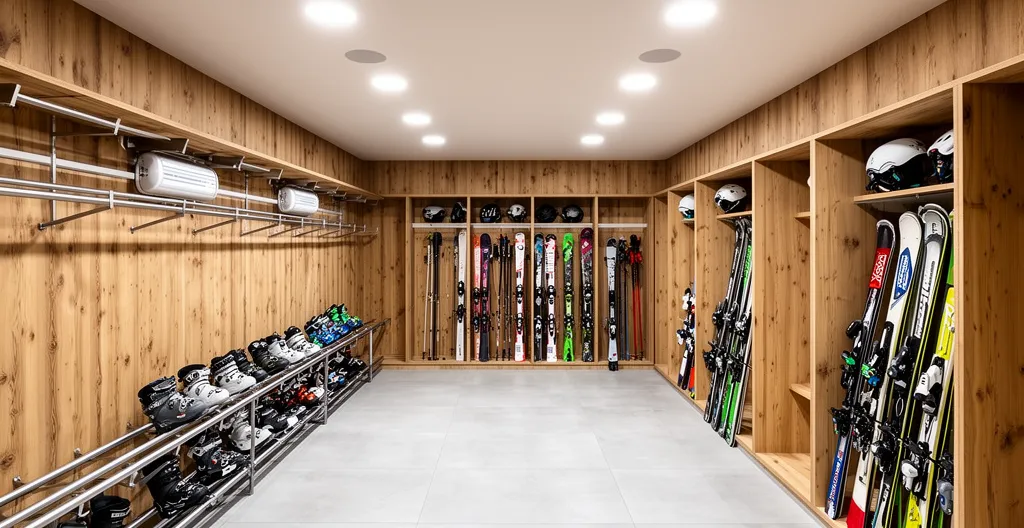
Here’s what actually transforms life at altitude: proximity to everything that matters repeatedly. Your ski locker location determines whether suiting up takes 5 or 25 minutes. Boot warming systems mean starting each day comfortable rather than cramped. The distance to the ESF meeting point shapes your entire morning rhythm. These aren’t amenities – they’re time multipliers that compound over a week’s stay.
The premium you pay in Courchevel isn’t for prestige alone. According to INSEE housing statistics Q4 2025, provincial France saw prices rise 1.2% annually, but Alpine stations command multiples of urban values precisely because they solve logistical puzzles. When your arrival window is midnight after a delayed Geneva flight, having residence reception still open changes everything. That’s luxury with a lowercase ‘l’ – the kind you actually use.
(And before you think I’m romanticizing things – I’ve also seen the flip side. Properties photographed beautifully that become operational nightmares when the heating fails or when you discover the “ski-in” access requires navigating an icy footpath unsuitable for anyone under confident intermediate level.)
Daily life is a routing problem: access, skis, and services
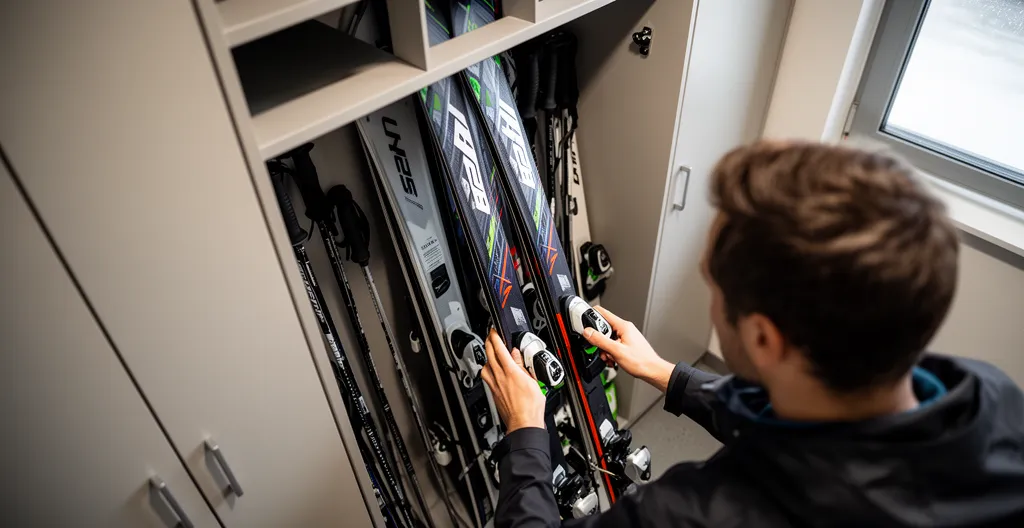
Let’s map a typical morning. You wake at 8:00. By 8:45, everyone needs to be equipped and at the meeting point. In between: breakfast, suiting up, equipment checks, forgotten gloves, bathroom stops. This 45-minute window expands or contracts based entirely on your property’s configuration.
Properties with dedicated ski rooms at entrance level save you the elevator wait and the awkward equipment juggle. Direct slope access means children can meet instructors without crossing traffic. Internal boot warmers eliminate the morning fight over cold equipment. Each friction point removed buys you five minutes – and five minutes at 8:30 AM with a family of four is worth its weight in mountain gold.
Now, I’m not saying you need everything perfect. But after tracking buyer experiences across multiple seasons, the pattern is clear: those who prioritize operational flow over Instagram appeal report dramatically higher satisfaction. Want a reality check? Start by browsing property for sale in Courchevel and notice which listings emphasize practical access details versus pure aesthetics. The best properties sell both, but access wins when trade-offs emerge.
Consider this timeline I’ve reconstructed from working with multiple non-resident owners between 2020 and 2026: Day -60 to -30 involves defining real usage patterns – not aspirational ones. How many weeks will you actually spend here? Will you work remotely? Are you comfortable with late arrivals requiring self-service? Day -30 to -7 means targeted visits focusing on pedestrian flow, ski locker positioning, and service availability during your likely arrival times. The aesthetics come last, after you’ve validated the operational basics.
Courchevel 1850, Village, Moriond: the lifestyle trade-offs
Everyone knows 1850 sits at the top – literally and figuratively. What they don’t grasp until living it is how each altitude band creates distinct daily rhythms. The Village (1550) offers something 1850 can’t: you can walk to the boulangerie without seeing another tourist. Moriond provides family-scale everything – smaller classes, quieter slopes, more affordable season passes for staff if you’re bringing help.
| Level | Morning Energy | Convenience Trade-off | Family Reality | Best For |
|---|---|---|---|---|
1850 |
High traffic from 8 AM | Everything walkable but crowded | Competitive ski school spots | Short stays, late arrivals |
Village (1550) |
Peaceful until 9:30 | Free shuttle dependency | Easier school logistics | Season-long stays |
Moriond (1650) |
Relaxed pace | Limited evening options | Smaller children programs | Family-first buyers |
What this table doesn’t capture is the sensory difference. In 1850 at 4 PM, you’re swimming through fur coats and helicopter noise. The Village at the same time feels like an actual Alpine community – you might see the same faces at the pharmacy that you met at lunch. Moriond splits the difference, busy enough to feel alive but calm enough that your five-year-old can navigate independently.
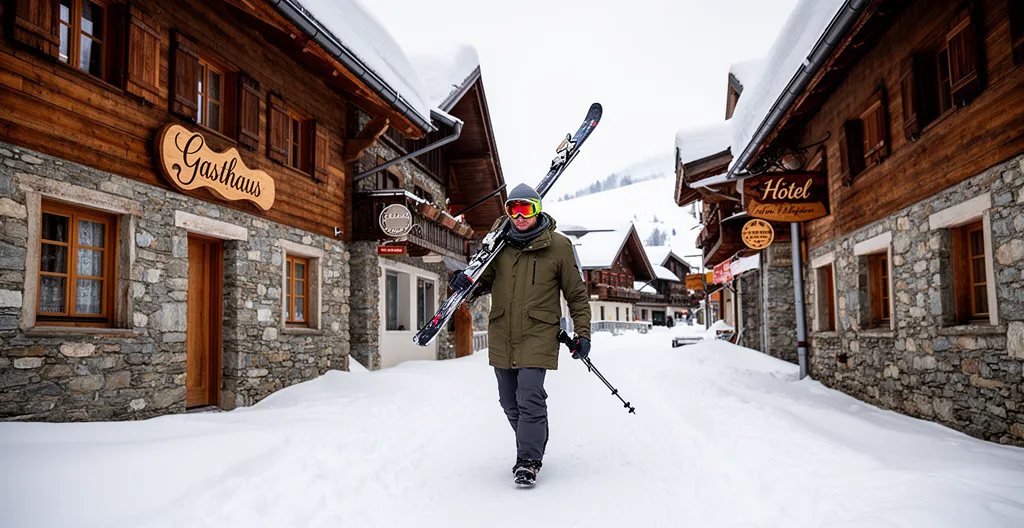
Here’s my take after observing dozens of families navigate these choices: if you’re buying for maximum rental yield and personal convenience during school holidays, 1850 makes sense despite the premium. But if you’re planning extended stays where daily quality matters more than nightly revenue, look seriously at the Village. Some of the most satisfied owners I know chose “worse” addresses that better matched their actual usage patterns. (They also discovered that the appeal of Cannes villas follows similar logic – prestige zones versus livability often diverge.)
Owning in Courchevel: the hidden operating model (and how to keep it simple)
Nobody tells you about the spreadsheet. You know, the one tracking snow clearance contracts, heating maintenance windows, property manager availability, and condo board meeting schedules. Owning in Courchevel means running a small logistics operation, unless you structure things intelligently from day one.
Let’s talk numbers you can actually verify. According to Notaires de France, acquisition costs run 7-8% for existing properties, 2-3% for new builds. That’s your entry fee. But the ongoing operational complexity varies enormously. A managed residence might charge hefty fees but handles everything from burst pipes to breakfast delivery. An independent chalet gives you freedom but demands active involvement or a reliable local team.
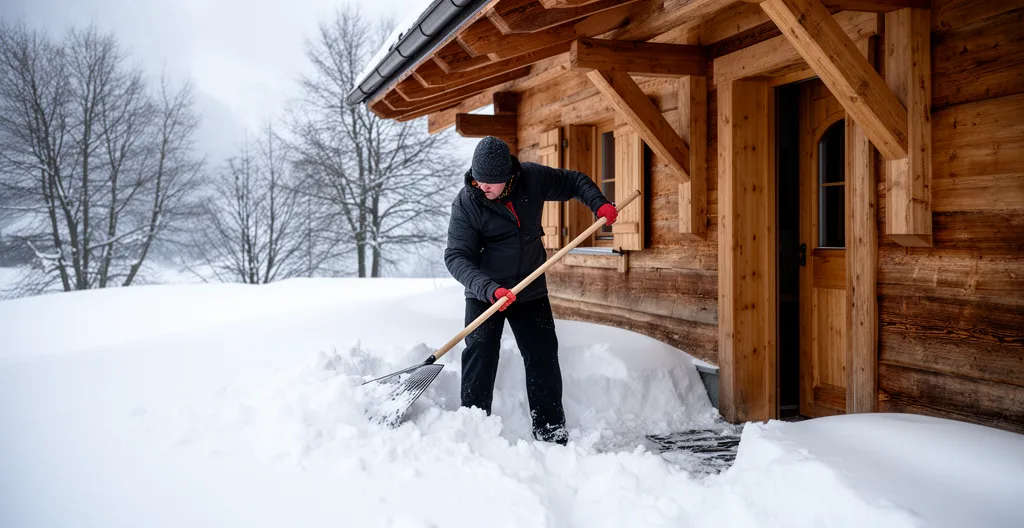
The regulatory landscape shifted in 2026 too. 2026 regulatory changes in France introduced new property declaration requirements with €150 fines for non-compliance. More importantly for mountain properties, the DPE (energy performance) coefficient for electric heating dropped from 2.3 to 1.9 – potentially improving your property’s rating if you’re planning to rent. G-rated properties have been banned from new rentals since 2025, so that charming but drafty chalet might need serious work.
Your 10-point pre-offer checklist for a Courchevel home
-
Request three years of condo board minutes and fee history
-
Verify the actual ski access path in current snow conditions
-
Check DPE rating and any renovation obligations for rental use
-
Calculate total annual costs including charges, taxes, and maintenance contracts
-
Test arrival logistics at your typical time (late evening or early morning)
-
Confirm ski locker size and location relative to your unit
-
Review residence rules on rental periods and guest management
-
Assess parking situation for multiple vehicles during peak weeks
-
Map walking distances to daily needs: bakery, ski school, pharmacy
-
Document any scheduled major works or special assessments coming up
The questions people ask right before they fall in love with Courchevel

Your Courchevel buyer doubts, answered
Can I really rent it out enough to cover costs?
Rarely fully, if you’re honest about peak-week personal use. Properties in 1850 with true ski-in/ski-out access might cover 40-60% of annual costs through rental, but you’ll likely block the most lucrative weeks for yourself. Factor rental income as a bonus, not a business model.
What happens to property values if winters get warmer?
Courchevel’s altitude provides some buffer, and the resort has invested heavily in snowmaking. But honestly? Properties with year-round appeal (hiking access, summer activities) will likely hold value better. The ultra-luxury segment might prove most resilient due to limited supply.
Is ski-in/ski-out worth the premium if we’re intermediate skiers?
This is where marketing meets reality. True ski-in/ski-out works brilliantly, but many properties stretch this definition. If the “ski-in” requires navigating a steep, icy path, intermediate skiers might actually prefer a property 200m from the lift with proper pedestrian access. Test it yourself in typical conditions.
Should we buy now or wait for market conditions to change?
The best properties in prime locations rarely flood the market. If you find something matching your specific usage needs (not just your aesthetic dreams), moving decisively often beats waiting for perfect timing. That said, understanding seasonality helps – explore a seasonal guide for France to time both purchases and visits strategically.
Your next move in the mountains
After years of watching people navigate Courchevel’s property maze, one pattern stands out: the happiest owners bought for their actual life, not their aspirational one. They mapped their real routine – late arrivals, morning chaos, equipment struggles – then chose properties that solved those specific frictions. Sometimes that meant picking Moriond over 1850, or a modern residence over a heritage chalet.
My final piece of advice? Visit during your typical usage period, not just sunny March days. See what arrival feels like at 10 PM in January. Test the morning ski-school run with tired children. Check if the boulangerie you’re counting on stays open in November. Because in Courchevel, luxury isn’t what’s in the brochure – it’s what works when you’re living it.
Your immediate action plan
-
Write down your actual usage pattern: weeks per year, arrival times, group composition
-
Book a reconnaissance trip during your least convenient typical arrival time
-
Calculate total operating costs, not just purchase price – include everything
Remember: you’re not buying square meters at altitude. You’re buying time, convenience, and the absence of friction. Choose accordingly.