
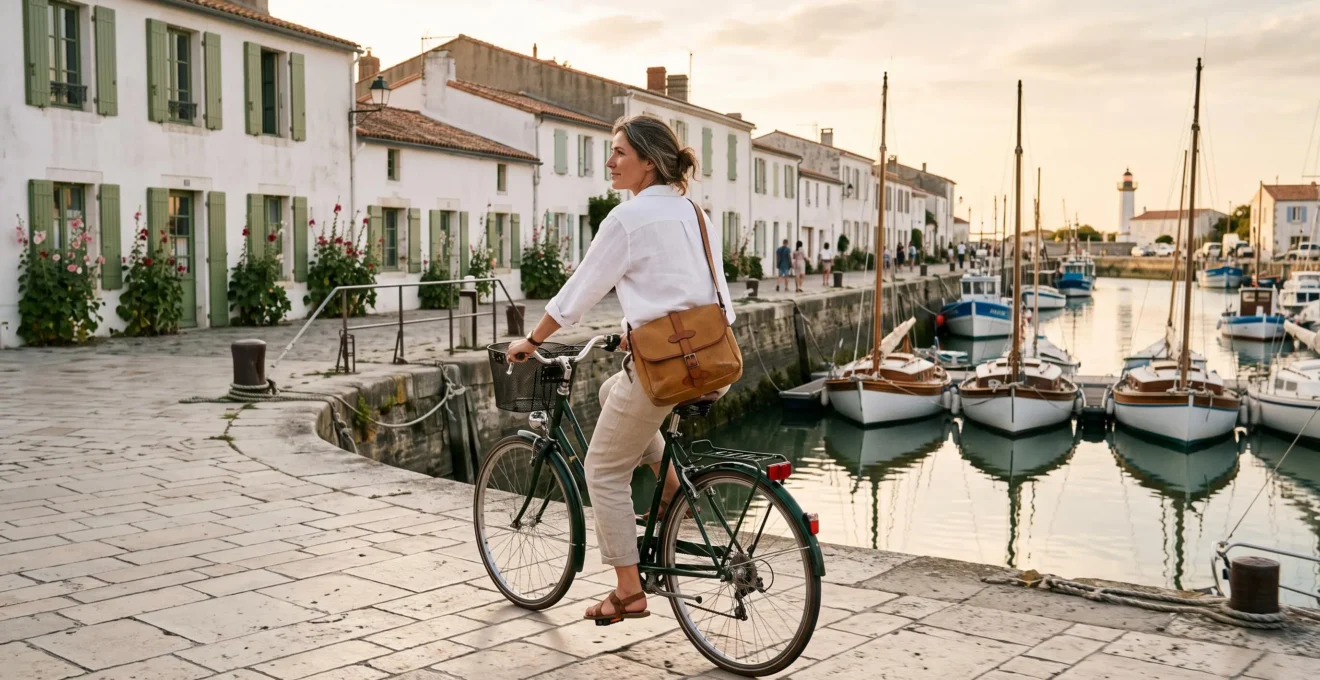
Direct answer: Yes—Île de Ré is worth visiting for a luxury holiday if you value discreet, village-based elegance (beautifully preserved streets, quality food, privacy, slow pace) more than showy “resort luxury”. If your benchmark is a high-glamour scene with big-name palaces and nightlife, you may feel you are paying a premium for something intentionally low-key.
The island’s luxury is rarely about spectacle. It is about how the place feels: human-scale villages, cycling between beaches and markets, and choosing the right base so your days are calm rather than crowded.
How to judge whether Île de Ré is “worth it” for you
- Choose it if you want quiet prestige: heritage, nature, design-led simplicity, and privacy.
- Pick villages strategically: Saint-Martin-de-Ré for harbour life; Ars-en-Ré or Les Portes-en-Ré for a more exclusive, secluded stay.
- Plan access like a premium detail: the bridge is paid for cars, and summer traffic can shape your arrival experience.
- Travel timing drives value: peak summer brings the highest pressure on availability; shoulder seasons can feel more “luxury” because the island is calmer.
- What Kind of Luxury Experience Does Île de Ré Offer?
- The Island’s Most Exclusive Villages and Stays
- Practical Access: Bridge Rules, Seasonal Traffic and Getting Around
- How Île de Ré Compares With Other French Luxury Destinations
- Planning a High-End Stay: Best Times, Budgets and Experiences
- Frequently Asked Questions
What Kind of Luxury Experience Does Île de Ré Offer?
On Île de Ré, luxury is best understood as understated comfort anchored in place. Think preserved villages in pale stone, shutters painted in coastal tones, and a lifestyle that prioritises space, light, and simplicity—more “quiet confidence” than red carpet.
This matters because it answers the core objection: is the island luxurious enough for the price? It can be—provided you define luxury as discretion, quality and atmosphere. If you expect constant service theatre, branded glamour, or large-scale resort infrastructure, the value proposition will feel weaker.
What does “luxury” look like on the island?
It often shows up in small, high-signal details: a village guesthouse with thoughtful materials, a private villa set back from busy lanes, or a meal where produce and seafood quality do the talking. The “prestige” is also in the setting: cycling to markets, lingering at a harbour, and having your day shaped by tides and light rather than schedules.
A useful mental contrast is this: Saint-Martin-de-Ré can feel refined and lively around the port, while a classic resort destination tends to centralise luxury in a few flagship properties and a concentrated nightlife strip. On Ré, the island itself is the asset—your experience depends on how you curate it.
Island-level reality check: luxury here is less about “more” and more about better—better positioning, better calm, better taste. That is why choosing the right village and season becomes a high-end decision, not an afterthought.
The Island’s Most Exclusive Villages and Stays
Where you stay on Île de Ré determines whether your trip feels genuinely high-end or merely expensive. The island is small, but village atmospheres differ sharply—especially in terms of privacy, evening buzz, and how quickly you can escape crowds.
Saint-Martin-de-Ré: harbour chic and convenience
Saint-Martin-de-Ré suits travellers who want a walkable, port-centred stay with a sense of animation: waterside terraces, boutiques, and an easy “stroll out for dinner” routine. The trade-off is that, in peak season, this convenience can come with more footfall and less of the secluded feel some luxury travellers expect.
Ars-en-Ré and Les Portes-en-Ré: quieter, more “private” luxury
If your idea of luxury is peace—space between you and the next table, quieter lanes, a slower rhythm—then the west/north-west side of the island often fits better. For Ars-en-Ré, you have a concrete signal of heritage positioning: according to the Mairie d’Ars-en-Ré, the village is labelled among label officiel du village d’Ars-en-Ré and has been classified as a “station de tourisme” since 14 November 2018.
That does not guarantee a “luxury stay” by itself, but it supports a credible expectation: carefully maintained village character is part of what you are paying for.
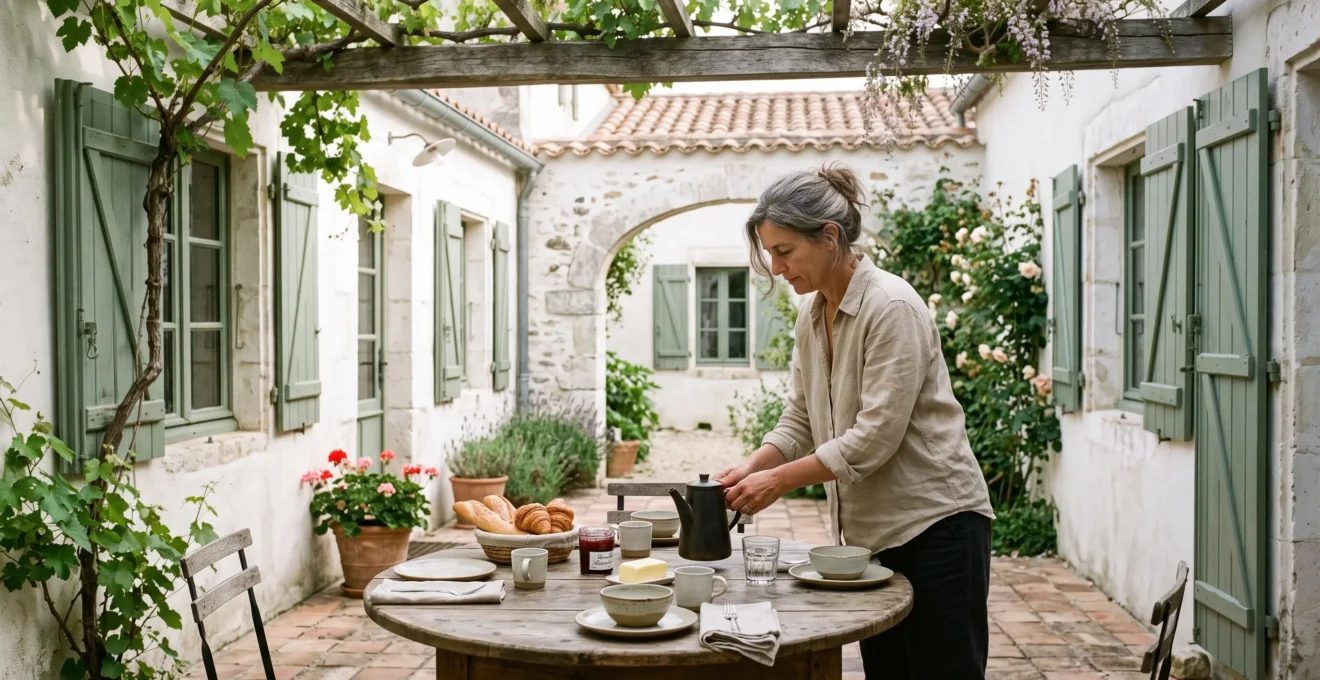
What “high-end stays” realistically mean on Île de Ré
The offer tends to skew towards charming hotels, design-led guesthouses, and high-end rentals rather than monumental palace-style properties. For a demanding traveller, the practical question becomes: do you want service-led luxury (staff, facilities, a curated on-site experience) or space-led luxury (a villa, privacy, and an itinerary built around the island)?
To keep expectations aligned, treat “exclusive” as a mix of location, calm, and finish quality—not as a promise of resort-level infrastructure everywhere on the island.
Decision shortcut: choose Saint-Martin-de-Ré if you want harbour life and convenience; lean towards Ars-en-Ré or Les Portes-en-Ré if your priority is a quieter, more secluded base with a village identity.
Practical Access: Bridge Rules, Seasonal Traffic and Getting Around
Logistics can make or break a luxury trip. On Île de Ré, access is straightforward, but two realities matter: the bridge is tolled for vehicles, and summer congestion can change the feel of arrival.
How much is the bridge toll, and when does it change?
For a light vehicle, the Département de la Charente-Maritime (bridge manager) publishes seasonal rates: €16 in high season and €8 in mid season, with the page specifying an aller-retour (return trip included). These figures come from the tarifs officiels du péage du pont. Always check the current season category before you travel, as your travel dates determine the rate applied.
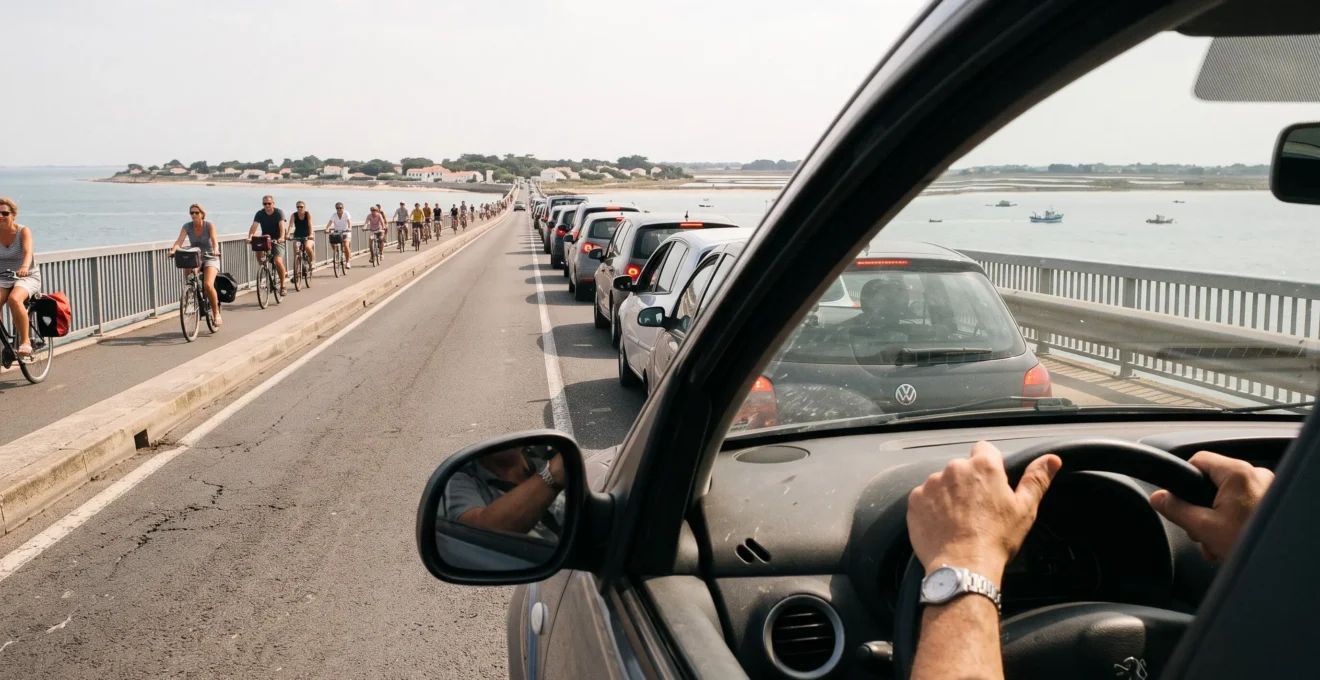
Is summer traffic a deal-breaker?
It does not have to be—but it is part of the premium equation. If you are paying for a high-end stay, arriving after a long queue can feel like a mismatch. The simplest mitigation is timing: aim for off-peak arrival hours and avoid “changeover” patterns when many rentals turn over on the same day.
If you plan to move around the island daily by car in peak season, build extra time into your schedule and keep dinner reservations flexible. If your plan is beach + village strolling + cycling, traffic becomes less central once you are checked in.
Do you need a car once on the island?
Not necessarily. Île de Ré is known for cycling as a practical way to move between villages, especially for short distances and daytime outings. A car can still be useful if you want maximum autonomy, are travelling with significant luggage, or have a villa-based stay where you prefer door-to-door convenience.
A luxury-minded approach is to decide upfront: either commit to a “bike-first” rhythm (and choose a village where that is comfortable), or accept that driving in peak season may trade spontaneity for convenience.
How Île de Ré Compares With Other French Luxury Destinations
Île de Ré competes in a different category from the most theatrical French luxury destinations. The island’s strongest card is discreet, village-rooted luxury—not the high-glamour “scene” often associated with parts of the Côte d’Azur, for example.
What you gain (and what you do not) versus glamour-led resorts
You gain a sense of place that stays consistent: small-scale architecture, heritage atmosphere, and a coastline you experience at human pace. For many high-end travellers, that is the definition of value—because it feels rare and coherent.
You do not get the same concentration of high-profile venues and late-night energy that some travellers expect from a luxury break. If that social intensity is the product you want, comparing Ré with French Riviera villa culture may be more relevant—here is a useful point of contrast on Riviera villas.
A decision-oriented comparison you can actually use
Use this simple test: if “luxury” means privacy, calm mornings, and villages with character, Île de Ré is often worth the price. If “luxury” means headline hotels, a highly visible social scene, and big-ticket glamour, you may find the island refined but not thrilling enough for what you spend.
Planning a High-End Stay: Best Times, Budgets and Experiences
To plan a high-end stay, focus less on chasing a checklist and more on aligning season + village + rhythm. On Île de Ré, value is often about avoiding friction: crowds, sold-out dates, and rushed itineraries.

When should you go for the best “luxury” feel?
If your priority is calm and space, the best “luxury” feeling often comes outside the busiest summer weeks, when restaurants and roads are less pressured. If your priority is atmosphere and a lively island rhythm, summer delivers—but you pay for it in availability constraints and a less private feel in the most central spots.
One verified indicator of seasonality: according to Destination Île de Ré data relayed by Ré à la Hune, July and August account for nearly 42% of annual overnight stays, while the late season and end of year represent about 23% in 2025. That context comes from the published répartition saisonnière des nuitées sur l’île and helps explain why the island can feel dramatically different depending on your travel window.
What budget should you expect?
Reliable, island-wide price ranges for high-end hotels, villas, or premium rentals are not provided in the available source pack, so quoting figures here would be guesswork. What you can plan for with confidence is the direction of travel: peak summer concentrates demand, which typically reduces choice and increases the likelihood that the most desirable locations are booked first.
If you want to protect value, treat early booking as part of the “luxury toolkit”—not because it guarantees lower prices, but because it lets you choose the location and style that match your definition of high-end.
Which experiences feel genuinely premium on Île de Ré?
The most convincing premium experiences on Ré tend to be simple but well executed: market-led food days, long cycling routes between villages, and slow, sea-facing meals when you are not fighting for tables. The island also suits travellers who enjoy designing their own pace—pairing a calm base with a few anchor bookings (a standout dinner, a spa moment, a sailing outing) rather than trying to “do everything”.
Peak-season value check: if you are paying top rates but cannot secure the village, house position, or restaurant reservations you want, the island may feel overrated. Availability is part of the product.
Frequently Asked Questions
Is Île de Ré really worth the price in peak summer season?
It can be, but only if you secure what makes the island feel high-end: the right village atmosphere for your style, a stay with genuine privacy or character, and a plan that avoids constant congestion. Peak summer is also when demand is most concentrated—Destination Île de Ré data relayed in 2025 shows July and August represent nearly 42% of annual overnight stays—so the risk is paying premium rates while experiencing a less “exclusive” version of the island.
Which village on Île de Ré is best for a high-end stay?
For harbour energy and easy evenings out, Saint-Martin-de-Ré is the most convenient base. For a quieter, more private-feeling stay, Ars-en-Ré and Les Portes-en-Ré are stronger candidates. The “best” choice depends on whether your luxury priority is animation (port life) or discretion (space and calm).
Do you need a car on Île de Ré for a luxury trip?
No, not necessarily. A bike-first stay can feel more luxurious because it reduces friction and makes short hops effortless. A car becomes useful if you prioritise door-to-door comfort, travel with lots of luggage, or have a villa-based stay where you expect maximum autonomy. The key is choosing one main rhythm—driving everywhere in peak season can add stress that works against a high-end experience.
If your idea of a luxury holiday is “glamour on display”, Île de Ré may feel too quiet for what you spend. If, instead, you value discreet French coastal elegance—village character, calm pace, and curated comfort—then Île de Ré is not just worth visiting: it is one of the few places where luxury is built into the setting rather than staged around it.